
Buy Tramadol Online Canada | Canna Cabana Pain Relief Options
Buy Tramadol Online From Canna Cabana
For many adults living with ongoing pain — whether due to injury, surgery, or chronic conditions — finding reliable relief is a priority that affects every aspect of daily life. While milder pain relievers like acetaminophen and ibuprofen help many people, there are situations where stronger medications are needed. That’s where tramadol has become an important tool in pain management.
At Canna Cabana, we strive to support our customers by making well‑known and broadly prescribed medications accessible with straightforward online ordering, secure checkout, and discreet delivery across Canada. Tramadol is one of the pain relief options available through our online platform, designed to assist adults seeking dependable relief for moderate to moderately severe pain. Whether pain is limiting your mobility, interrupting sleep, or hindering your ability to function fully during the day, tramadol offers a valuable option when used responsibly and under medical guidance.
Understanding how tramadol works, what it’s used for, and what to expect can help you make informed decisions about your pain care — and working with a healthcare provider ensures treatment is safe and effective.
What Is Tramadol?
Tramadol is a prescription pain medication that belongs to a class of drugs known as opioid analgesics. It is prescribed for the treatment of moderate to moderately severe pain in adults when non‑opioid medications are insufficient. Unlike stronger opioids such as oxycodone and morphine, tramadol is considered to have a slightly lower risk profile, though it still requires careful use and monitoring due to potential side effects and dependence risk. (mayoclinic.org)
Tramadol works by affecting how your body senses and responds to pain. It binds to opioid receptors in the brain and spinal cord and also influences the levels of neurotransmitters like norepinephrine and serotonin, which play roles in pain perception and regulation.
Because of this combined action on opioid receptors and neurotransmitter systems, tramadol provides effective relief for many individuals with ongoing pain that has not responded fully to other medications.
How Tramadol Works
Tramadol’s mechanism of action makes it unique compared to some traditional opioids. It works in two key ways:
1. Opioid receptor modulation:
Tramadol binds to µ‑opioid receptors in the central nervous system. This reduces the way pain signals are transmitted from the site of discomfort to the brain, which alters the pain experience and can reduce both the intensity and the emotional impact of pain.
2. Neurotransmitter reuptake inhibition:
Tramadol also inhibits the reuptake of norepinephrine and serotonin — chemicals involved in pain modulation. This component of its action contributes to its effectiveness, particularly for certain types of nerve‑related pain.
Because of these dual actions, tramadol not only alleviates physical sensations of pain but also subtly affects how the central nervous system processes and interprets nociceptive (pain) signals.
This combination of effects helps many patients achieve meaningful relief when other medications have been inadequate — but, like all opioid‑related drugs, tramadol should be used under the clear direction of a healthcare provider.
What Tramadol Is Used For
Tramadol is most commonly used to treat:
- Persistent pain following injury
- Pain after surgeries or dental procedures
- Chronic musculoskeletal pain
- Moderate back or joint pain
- Pain associated with arthritis
- Nerve‑related discomfort
Because pain has both physical and emotional components, tramadol may help patients function more normally in daily activities and engage more fully in physical therapy or rehabilitation when needed. By reducing persistent pain levels, many people find improvements in sleep quality, mobility, and overall sense of wellbeing.
It’s important to distinguish tramadol for moderate to moderately severe pain. For very severe acute pain, stronger opioid alternatives may be required, and for mild pain, simple analgesics often suffice.
Tramadol Dosage Options
Tramadol is available in several formulations to suit different pain management needs:
- Immediate‑release tablets/ capsules — usually taken every 4 to 6 hours as needed
- Extended‑release tablets/ capsules — taken once daily for around‑the‑clock pain
The exact dosage and frequency depend on the severity and type of pain, your medical history, and the judgment of your healthcare provider. Typically, physicians begin with the lowest effective dose and adjust gradually to achieve optimal relief with minimal side effects.
Common strengths for tramadol tablets or capsules include:
- Tramadol 25 mg
- Tramadol 50 mg
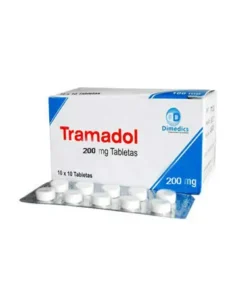
- Tramadol 100 mg (often in extended‑release form)
Your healthcare provider may adjust your dosage based on pain control, tolerance, and overall response.
How Long Tramadol Takes to Work
When taken orally in immediate‑release form, tramadol typically begins working within 30 to 60 minutes, with peak effects occurring around 1 to 2 hours after dosing. Immediate‑release tramadol usually provides pain relief for about 4 to 6 hours, depending on individual metabolism and dosage.
Extended‑release tramadol, formulated for once‑daily use, releases the medication slowly over time to maintain more consistent pain control throughout the day. This type is commonly used in chronic pain situations where both sustained relief and patient convenience are desired.
Because tramadol affects the central nervous system and neurotransmitters, consistent use as prescribed helps maintain steady pain control without dramatic peaks and troughs.
Benefits of Tramadol
Tramadol offers several possible benefits for individuals managing ongoing pain:
Reliable pain relief: Many patients achieve meaningful reduction of moderate pain that has failed to respond to milder analgesics.
Dual‑mechanism action: Its combined opioid receptor and neurotransmitter effects may help with both physical and nerve‑related pain components.
Flexible dosing: Both immediate‑release and extended‑release forms allow physicians to tailor therapy based on individual patterns of discomfort.
Lower relative opioid strength: Compared with some stronger opioids, tramadol generally carries a lower risk of respiratory depression at typical doses, though all opioid‑related risks remain.
These benefits have led many clinicians to prescribe tramadol as a step between mild analgesics and more potent opioid medications when pain management needs escalate.
Side Effects of Tramadol
Like all medications that affect the central nervous system, tramadol may cause side effects. Many of these are mild and diminish as the body adjusts. Common side effects include:
Drowsiness or sedation
Dizziness or light‑headedness
Nausea or vomiting
Constipation or changes in bowel habits
Headache or nervousness
These effects are generally more common when first beginning treatment or when doses are increased.
Because tramadol influences serotonin and norepinephrine levels, it can occasionally lead to changes in mood or energy levels, particularly when combined with other medications that affect neurotransmitters.
It’s extremely important to report severe or persistent side effects to your healthcare provider, especially if symptoms include:
Unusual agitation or confusion
Difficulty breathing or shortness of breath
Severe constipation or abdominal pain
Signs of allergic reaction (rash, hives, swelling)
Your medical team will help monitor side effects, adjust doses as needed, and offer strategies to reduce discomfort.
Safety Considerations
Tramadol should be used with caution in certain individuals, particularly those with:
Respiratory disorders (e.g., COPD)
History of opioid tolerance or substance use disorder
Seizure disorders (tramadol can lower seizure threshold)
Kidney or liver disease
Concurrent use of sedatives, benzodiazepines, or alcohol
Interactions with other medications — including antidepressants, anticonvulsants, and some opioid‑modulating drugs — can increase the risk of serious side effects like serotonin syndrome, respiratory depression, or excessive sedation.
For these reasons, healthcare providers carefully review your medical history and other medications before prescribing tramadol.
Dependence, Tolerance, and Safe Use
All opioid‑related medications carry some risk of physical dependence and tolerance with long‑term use. Physical dependence means that the body has adapted to the presence of the drug and withdrawal symptoms may occur if dosing is abruptly stopped.
Tolerance refers to the body requiring higher doses over time to achieve the same effect. Both phenomena are aspects of how the nervous system adapts to repeated opioid exposure.
That said, with careful medical oversight, tramadol can be used responsibly for both short‑term and longer‑term pain management. Your healthcare provider will consider:
Duration of use
Dose adjustments
Monitoring for signs of tolerance
Potential for dependency
If long‑term therapy is indicated, clinicians often incorporate non‑opioid strategies, physical therapy, lifestyle modifications, and periodic re‑evaluations to ensure safe, effective care.
Tramadol vs Other Pain Medications
When comparing tramadol to other pain medications, it’s important to understand its position in the spectrum of analgesics:
Tramadol vs NSAIDs (ibuprofen, naproxen):
NSAIDs are effective for mild to moderate pain related to inflammation but generally insufficient for more severe pain; tramadol provides stronger central nervous system pain relief.
Tramadol vs Acetaminophen:
Acetaminophen helps mild pain and fever but does not target neurotransmitters or opioid receptors; tramadol offers deeper pain control when stronger mediation is needed.
Tramadol vs Stronger Opioids (oxycodone, morphine):
Stronger opioids provide powerful pain relief but also carry higher risk of respiratory depression and dependence. Tramadol may act as a middle ground for moderate pain requiring opioid‑mediated relief.
The choice of medication depends on pain severity, cause of pain, patient history, and safety considerations discussed with a healthcare provider.
Long‑Term Use and Expectations
For chronic pain conditions, long‑term use of tramadol requires careful planning. Many individuals and clinicians develop comprehensive pain management strategies that may include:
Medications with different mechanisms
Lifestyle and physical activity modifications
Physical therapy or rehabilitative care
Behavioral approaches to pain perception
Regular reassessment of pain goals
This multifaceted strategy helps ensure that pain relief supports overall quality of life while minimizing risks associated with long‑term opioid exposure.
Regular follow‑ups and open communication with your healthcare provider help ensure that tramadol remains effective and safe over time.
Why Customers Choose Canna Cabana
Individuals across Canada choose Canna Cabana for trusted access to pain management options like tramadol because of:
Fast and discreet delivery
Secure online checkout
Reliable customer support
Competitive pricing
Clear product information and guidance
Whether you’re managing ongoing pain or seeking options that fit into a broader health plan, Canna Cabana offers a convenient way to access medications with confidence.
Order Tramadol Online Canada Today
If you’re exploring effective pain management options, tramadol offers a well‑studied analgesic option that bridges the gap between mild pain relievers and stronger opioid treatments. With careful medical guidance and Canna Cabana’s secure online services, you can access medication that helps support functional living, mobility, and comfort.
Browse tramadol options today and discover how responsible pain care can become part of your wellness strategy.

export