
Buy Vicodin Online Canada | Canna Cabana Prescription Pain Management
Trusted Pain Relief With Verified Prescription Support
When pain becomes persistent, interfering with daily life, sleep, mobility, or basic comfort, effective relief is essential. Vicodin — a prescription medication combining hydrocodone and acetaminophen — is widely used in medical practice to manage moderate to moderately severe pain under the supervision of a licensed healthcare provider. At Canna Cabana, we provide access to medications like Vicodin only after verifying your valid prescription, ensuring safe and compliant use.
Traditionally prescribed after surgery, injury, or in chronic pain scenarios, Vicodin has helped countless individuals regain functionality and reduce discomfort. However, because of its opioid component, it must be used with caution, respect for dosing instructions, and clinical oversight. We provide robust information here — covering how Vicodin works, why and when it’s used, safety considerations, potential side effects, interactions with other substances, and what to expect when taking this medication — all to help you make informed decisions alongside your healthcare provider.
What Vicodin Is and How It Works
Vicodin is the brand name historically used for the combination of two active ingredients:
- Hydrocodone — an opioid analgesic that acts on the central nervous system to block pain signals
- Acetaminophen — a non‑opioid pain reliever that enhances analgesic effects and reduces fever
Although the original “Vicodin” name has been largely replaced in practice by generic hydrocodone/acetaminophen combinations such as Norco or Lortab, the term remains widely recognized and used in clinical and patient discussions.
Hydrocodone works by binding to opioid receptors in the brain and spinal cord, interrupting pain transmission and altering how pain is perceived. Acetaminophen enhances this effect through a separate mechanism that elevates the body’s pain threshold and helps reduce fever but does not act as an opioid itself. The combination allows for meaningful relief when non‑opioid pain relievers alone are insufficient.
Because of its action on the central nervous system, hydrocodone also slows some physiological responses, which can lead to sedation and reduced respiratory drive at high doses or with misuse. This underscores why clinical supervision and prescription verification are essential.
Common Medical Uses of Vicodin
Medical professionals prescribe Vicodin and other hydrocodone/acetaminophen combinations for pain that is significant enough to require opioid‑mediated relief but for which stronger or long‑term opioids are not appropriate. Typical clinical scenarios include:
Post‑Surgical Pain Management
After surgical procedures — from dental extractions to orthopedic operations — pain intensity can exceed what over‑the‑counter analgesics can address. Under careful medical guidance, hydrocodone/acetaminophen helps bridge that gap in acute postoperative phases.
Injury‑Related Pain
Traumatic injuries such as fractures, severe sprains, or soft tissue damage often produce pain that persists beyond initial healing; opioid combinations are used as part of a structured pain approach.
Severe Back or Musculoskeletal Pain
Patients with persistent back pain, arthritis, or other musculoskeletal conditions may require stronger analgesia when non‑opioid strategies fail to provide adequate control.
Dental Pain
For procedures involving extraction or significant oral surgery, hydrocodone/acetaminophen combinations have historically been a go‑to option when simple analgesics were insufficient.
Pain Not Managed by NSAIDs
In cases where pain levels exceed what NSAIDs (like ibuprofen or naproxen) can control — especially when high inflammatory pain is absent or NSAIDs are contraindicated — hydrocodone combinations can be appropriate.
These uses are always accompanied by tailored clinical assessment, including evaluation of health history, other medications, and risk factors for dependence or side effects.
Dosage Forms and Administration
Vicodin is available in tablet form and (in some formulations) as an oral solution. Dosage is determined by physicians based on pain severity, patient health profile, and prior opioid exposure.
Common strengths include combinations such as:
- Hydrocodone 2.5 mg / Acetaminophen 325 mg
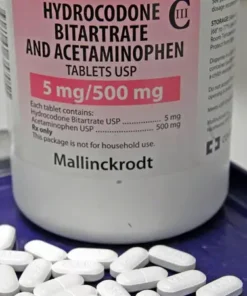
- Hydrocodone 5 mg / Acetaminophen 300–325 mg
- Hydrocodone 7.5 mg / Acetaminophen 300 mg
- Hydrocodone 10 mg / Acetaminophen 300–325 mg
These combinations reflect how clinicians balance effective pain control with minimizing acetaminophen intake (to reduce liver risk) and opioid exposure.
Typically, physicians start with the lowest effective dose and increase cautiously, especially in opioid‑naïve individuals or those with certain health conditions. Dosage frequency is often every 4–6 hours as needed for pain — though extended‑release, around‑the‑clock formulations are prescribed only in particular chronic pain contexts under strict supervision.
How Quickly Vicodin Works and Duration
When taken orally as directed, immediate‑release hydrocodone/acetaminophen begins to alleviate pain within about 20–30 minutes, reflecting its relatively rapid absorption. Peak effects are usually achieved about 1–2 hours after dosing, and the duration of meaningful pain relief typically persists for approximately 4–6 hours.
The relatively short action window necessitates multiple daily doses for continuous pain, emphasizing the importance of consistent use at prescribed intervals and careful monitoring for side effects or tolerance.
Benefits of Using Vicodin Under Supervision
When used appropriately with medical oversight, hydrocodone/acetaminophen can provide several benefits for individuals struggling with significant pain:
1. Effective for Moderate to Moderately Severe Pain:
Vicodin bridges a gap between mild analgesics (like acetaminophen alone) and stronger opioids used for severe pain.
2. Dual Mechanism for Enhanced Relief:
Hydrocodone addresses pain perception centrally, while acetaminophen supports pain and fever relief peripherally, resulting in synergistic effects.
3. Short‑Term Pain Control:
Ideal for acute pain scenarios where pain intensity is high but expected to diminish, such as post‑operative pain or injury recovery phases.
4. Tailored Dosing:
Available in multiple strengths and formulations to meet individual needs.
Despite these benefits, it’s crucial that this medication is taken only as prescribed, with regular clinical evaluation to ensure ongoing appropriateness.
Potential Side Effects of Vicodin
Like all medications that affect the central nervous system, hydrocodone/acetaminophen can cause side effects. Many are mild and transient, while others — though less common — require prompt medical attention.
Common Side Effects
These may appear early in treatment or after dosing changes:
- Drowsiness or sedation
- Dizziness or light‑headedness
- Nausea and vomiting
- Constipation and digestive changes
- Dry mouth
- Headache
These symptoms often occur as the body adjusts to the medicine and can reduce with continued use under supervision.
Serious and Urgent Reactions
More severe effects require immediate medical evaluation:
- Respiratory depression: Opioids can significantly slow breathing, which is dangerous, especially at high doses or with other CNS depressants.
- Allergic reactions: Rash, itching, swelling of the face or throat, and breathing difficulty.
- Liver injury: Acetaminophen in high doses, particularly above recommended daily limits, can lead to hepatotoxicity (liver damage) and jaundice.
- Increased pain sensitivity: In some cases, long‑term opioid use can paradoxically increase pain sensitivity.
- Constipation and bowel obstruction: Opioids slow gut motility; severe constipation or bowel events can occur.
Continuous clinical monitoring helps detect and manage these effects early.
Safety Considerations and Precautions
Risk of Dependence and Misuse
Hydrocodone is an opioid, and even when taken as prescribed, repeated use can lead to physical dependence. Dependence means your body adapts to the medication, and stopping suddenly can lead to withdrawal symptoms such as irritability, nausea, or anxiety if dosing isn’t tapered.
The risk of addiction — compulsive use despite harmful consequences — is lower when the drug is used exactly as prescribed for legitimate pain, but it is not zero. This is why clinicians regularly re‑evaluate pain management plans and adjust therapy as needed.
Respiratory and Central Nervous System Effects
Opioids can depress the respiratory centers in the brain, slowing the breathing rate. This effect is more likely at higher doses, in older adults, with other sedatives, or with underlying lung conditions such as COPD.
Hydrocodone/acetaminophen can also impair alertness and coordination, so tasks like driving or operating machinery should be avoided until you know how the medication affects you.
Liver and Organ Function
Acetaminophen — even though not habit‑forming like opioids — can be harmful to the liver in high doses or with chronic alcohol use. The maximum daily acetaminophen limit for most adults is generally considered 4,000 mg, but lower limits may be advised based on individual liver health and concurrent medication use.
Pregnancy and Breastfeeding
Use of opioid combinations during pregnancy can lead to neonatal opioid withdrawal syndrome in newborns, a potentially serious condition. Because hydrocodone/acetaminophen crosses into breast milk, breastfeeding while on this medication requires careful assessment and monitoring by a healthcare professional.
Interactions With Other Medications and Substances
Hydrocodone/acetaminophen can interact with many other medications and substances. Some interactions increase sedation or respiratory depression, while others magnify side effects or cause unexpected reactions.
Substances and medications that may interact or require caution include:
- Alcohol — increases risk of liver damage and CNS depression.
- Other CNS depressants — such as benzodiazepines or sedative hypnotics.
- Certain antibiotics and antidepressants — which can affect metabolism and increase opioid effects.
- Mixed MAO inhibitors — which can cause dangerous interactions and should not be combined.
Always inform your healthcare provider and pharmacist about all medications, supplements, and herbal products you use before starting Vicodin.
Practical Guidance for Safe Use
Because hydrocodone/acetaminophen combines an opioid with acetaminophen, safety practices include:
- Taking the medication only as prescribed and never in larger amounts or more frequently.
- Avoiding alcohol completely during therapy.
- Storing the medication securely to prevent access by others.
- Not sharing medication with anyone else, especially someone with a history of drug abuse.
- Properly disposing of unused medication through pharmacy take‑back programs once the prescription is complete.
Vicodin Versus Other Opioid Pain Relievers
Understanding how hydrocodone/acetaminophen compares to other pain medications helps contextualize its role in pain management.
Vicodin vs Percocet: Both are opioid/acetaminophen combinations, but Vicodin contains hydrocodone while Percocet contains oxycodone. Each has a slightly different potency profile; oxycodone is often considered stronger at equivalent opioid doses, but choice depends on clinical context and patient response.
Vicodin vs Tramadol: Tramadol influences opioid receptors and also affects serotonin/norepinephrine pathways, offering a different mechanism of action with typically lower respiratory depression risk at standard doses.
Vicodin vs NSAIDs: Non‑steroidal anti‑inflammatory drugs (like ibuprofen) reduce inflammation and pain through different pathways and are often first‑line for mild to moderate pain; Vicodin is reserved when these agents are not sufficient.
Long‑Term Pain Management and Expectations
Chronic pain often requires a comprehensive strategy beyond medication alone. Clinicians may integrate hydrocodone/acetaminophen into a broader plan that includes:
- Physical therapy and rehabilitation
- Behavioral pain management techniques
- Exercise and weight‑bearing activities
- Dietary support and anti‑inflammatory nutrition
- Regular reassessment of pain levels and function
Multidisciplinary pain care improves longer‑term outcomes while reducing reliance on opioids.
Why Customers Choose Canna Cabana
At Canna Cabana, we emphasize safety, compliance, and quality service when providing access to prescription medications like hydrocodone/acetaminophen. Our process ensures:
Discreet and reliable shipping across Canada
Secure and private online ordering
Prescription verification before fulfillment
Clear product information and support
Responsive customer service for questions and guidance
By verifying your prescription, we help maintain legal compliance and promote safe use, giving you confidence and peace of mind when managing pain.
Order Hydrocodone/Acetaminophen (Vicodin) Online Canada Today
Managing pain effectively requires trusted medications, knowledgeable care, and a safe, compliant process. Hydrocodone/acetaminophen combinations like Vicodin offer meaningful relief for adults with moderate to moderately severe pain when prescribed by a clinician and supported by careful monitoring.
At Canna Cabana, we make it straightforward to have your prescription verified and your medication delivered with discretion and reliability.
export