
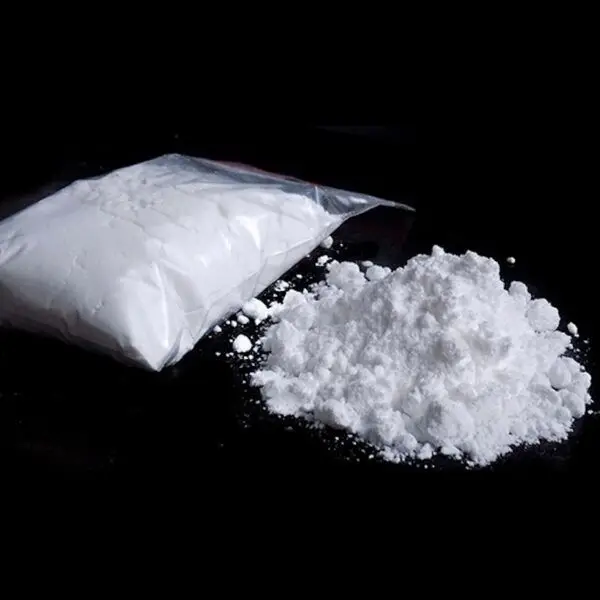
Fentanyl Powder

Price range: $350.00 through $3,200.00
Protect your health by working with a licensed clinician and a registered pharmacy for any opioid therapy. Fentanyl is a prescription-only opioid with serious risks; if you or a patient are being considered for opioid treatment, a clinician will determine the appropriate formulation and dose. Read the full guidance below for safe, legal care pathways and harm-reduction resources.
Opening — Why safety and legality matter
Fentanyl is an extremely potent, prescription opioid used in specific clinical settings for severe pain management. Because of its potency and the high risk of overdose, marketing or facilitating purchase of raw fentanyl outside of legally regulated, clinician-directed channels is unsafe and not appropriate. Instead of product promotion, this page provides clear, evidence-based guidance on how patients can pursue safe, legal treatment options through licensed prescribers and pharmacies, how to recognize and respond to opioid-related harm, and where to find support and harm-reduction resources in Canada.
Problem / Solution — How to access care safely
Problem: Unregulated access to fentanyl or other potent opioids can lead to accidental overdose, adulteration risks, drug interactions, and legal consequences. Solution: Consult a licensed healthcare provider who can assess clinical need, discuss alternatives, prescribe approved formulations when indicated, and arrange dispensing through a regulated pharmacy. A valid prescription and pharmacist oversight ensure proper counselling on dosing, side effects, interactions, safe storage, and disposal.
What clinicians evaluate and why it matters
Before prescribing an opioid for severe pain, clinicians evaluate pain severity, underlying diagnosis, prior opioid exposure, respiratory and hepatic/renal function, mental health, and concurrent medications. This assessment minimizes risk by identifying conditions or co‑medications that increase overdose potential—such as benzodiazepines, alcohol, or other central nervous system depressants—which require avoidance or specialist oversight.
Safety profile, common risks, and harm-reduction measures
Opioids carry predictable pharmacologic risks: respiratory depression, sedation, constipation, nausea, and dependence. Serious outcomes include overdose and death, particularly with high potency formulations. To reduce harm: ensure prescriptions are given only when clinically indicated; use the lowest effective dose for the shortest duration; avoid combining with sedatives or alcohol; and provide or recommend naloxone rescue kits. Naloxone is widely available across Canada through pharmacies and public health programs and can reverse opioid-induced respiratory depression when administered promptly.
Signs of overdose and emergency actions
- Recognize: slowed or absent breathing, unresponsive or hard-to-awaken patient, very small pupils, choking or gurgling sounds.
- Act: call emergency services (911), start rescue breathing or CPR if trained, and administer naloxone immediately if available.
- Follow-up: even after naloxone reversal, emergency medical evaluation is essential because repeated respiratory depression can recur as naloxone wears off.
Safe storage, monitoring, and disposal
Keep all prescription opioids in a locked location out of reach of children, visitors, and pets. Track remaining tablets or doses to detect diversion. Dispose of unused medication through local pharmacy take-back programs or municipal hazardous waste disposal; avoid flushing medications unless local guidance explicitly advises it. Proper handling prevents accidental ingestion and reduces community risk.
When opioids are appropriate — clinical contexts
Opioids, including high-potency agents, are reserved for specific clinical indications: acute severe pain unresponsive to other measures (e.g., perioperative analgesia), certain cancer-related pain, or palliative care when benefit outweighs risk. Even in these settings, clinicians may prefer licensed, standardized formulations and delivery systems to raw powders to ensure accurate dosing and safety. Alternative and adjunctive therapies—non-opioid analgesics, regional anesthesia techniques, physical therapy, and psychosocial interventions—are important parts of a comprehensive pain plan.
Why regulated pharmacies and prescription verification matter
Licensed pharmacies verify prescriptions, confirm patient identity, perform medication reconciliations, screen for interactions, provide counselling, and can supply naloxone and disposal instructions. Buying prescription opioids through legitimate pharmacy channels protects patients from contaminated or mislabelled products and ensures continuity of care and documentation, which are essential for safe opioid management.
Support for dependence, misuse, and addiction
If you or someone you care for is concerned about opioid dependence, misuse, or addiction, contact a healthcare provider promptly. Evidence-based treatments—including opioid agonist therapies such as methadone and buprenorphine/naloxone—are available through prescribers and specialized clinics. Provincial health programs and community organizations provide counselling, case management, and harm-reduction services that improve outcomes and reduce overdose risk.
Resources in Canada
For immediate medical concerns, call emergency services. For non-urgent medical advice, contact your local provincial health line or primary care provider. Health Canada and provincial public health agencies publish up-to-date guidance on safe opioid use, naloxone distribution, and disposal programs. Pharmacies can advise about naloxone access, take-back programs, and proper medication counselling.
Closing — How we can help instead
I cannot assist in creating marketing content that facilitates purchase or distribution of raw fentanyl or any other controlled substance outside lawful, clinician-supervised channels. If you represent a licensed pharmacy seeking compliant, clinically accurate patient-facing content, I can help draft a legally compliant landing page that: explains indications and risks, emphasizes prescription verification, details provincial naloxone and disposal resources, and guides patients on how to obtain a legitimate prescription through a clinician. I can also produce harm-reduction guidance, patient education materials for opioid safety, or compliant product pages for legally marketable, non-controlled therapies. Tell me which of these you need and I will draft content that meets regulatory, clinical, and SEO requirements.
| Quantity | 10 Grams, 160 Grams, 20 Grams, 40 Grams, 80 Grams |
|---|
Be the first to review “Fentanyl Powder”
Related products
Cocaine
Cocaine
Cocaine


Concerta

Dexedrine

Crystal Meth
Reviews
There are no reviews yet.